
The Psychology Behind Emotional Gift Giving
The Psychology Behind Emotional Gift Giving
Gift giving is more than a social tradition—it is a deeply psychological act rooted in human connection, emotion, and meaning. While material value may fade over time, emotional gifts often leave a lasting imprint on the heart. Whether it’s a handwritten note, a personalized keepsake, or a thoughtful surprise, emotional gift giving strengthens bonds in ways that go far beyond the object itself.
Understanding the psychology behind emotional gift giving helps us become more intentional and impactful in how we express love, gratitude, and appreciation.
Why Gifts Carry Emotional Meaning
At its core, gift giving is a form of communication. According to psychologist Gary Chapman, one of the primary ways people express and receive love is through “receiving gifts.” In his book The 5 Love Languages, he explains that gifts serve as tangible symbols of thoughtfulness and care.
A gift says:
-
“I was thinking about you.”
-
“You matter to me.”
-
“I value our relationship.”
The emotional power of a gift lies not in its price but in its meaning. When a gift reflects understanding and effort, it strengthens emotional security and trust between people.
The Role of Empathy in Gift Selection
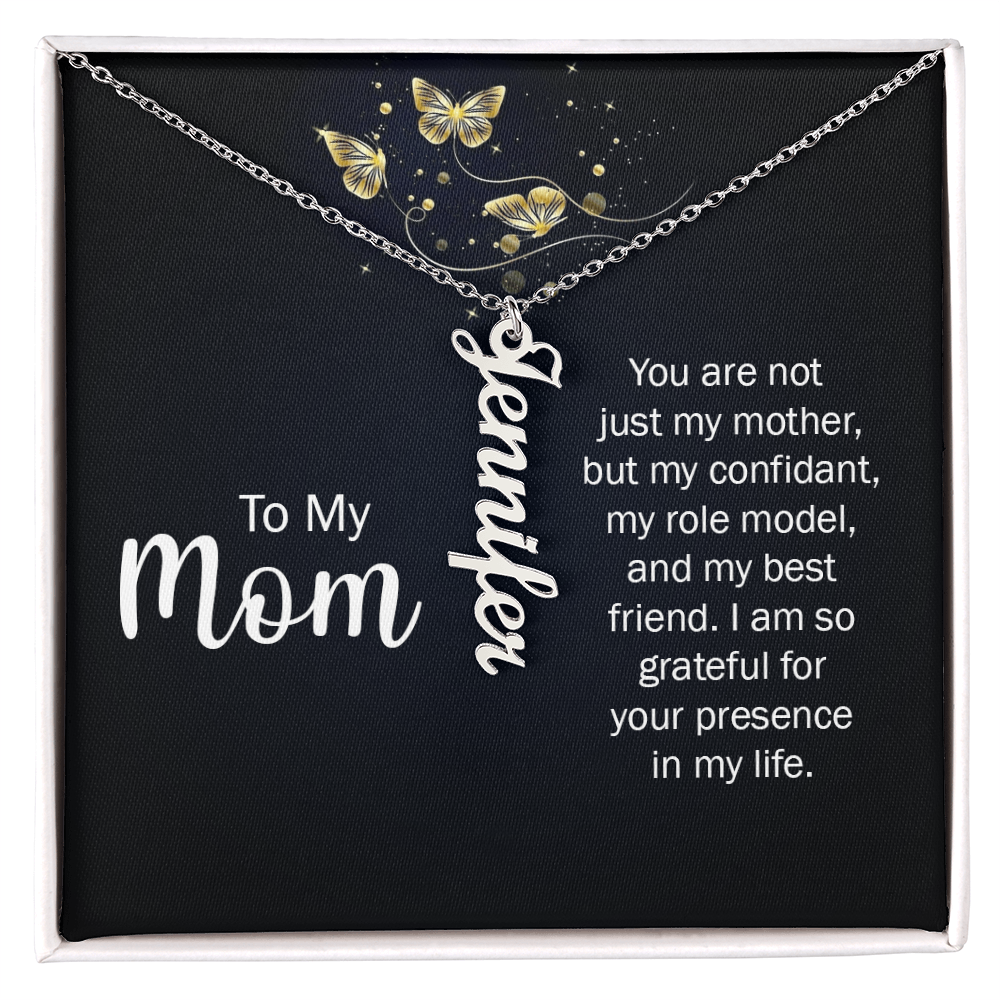
Emotional gift giving is rooted in empathy—the ability to understand another person’s feelings and perspective. When you carefully choose something based on someone’s personality, interests, or experiences, you demonstrate deep emotional awareness.
Research from institutions like Stanford University suggests that perspective-taking improves relationship satisfaction. When gift givers focus on what truly resonates with the recipient rather than what impresses others, the emotional impact increases significantly.
This is why a simple, meaningful gift often creates more joy than an expensive but impersonal one.
Emotional Gifts Strengthen Social Bonds
Human beings are wired for connection. Anthropological studies show that gift exchange has existed across cultures for centuries as a way to build alliances and strengthen communities. In many societies, gifts symbolize mutual respect and belonging.
From birthdays to graduations and anniversaries, emotional gifts serve as relationship milestones. They reinforce shared memories and signal commitment. When someone receives a heartfelt gift, the brain releases feel-good chemicals like dopamine and oxytocin—often referred to as the “bonding hormone.”
This chemical response explains why emotional gifts can deepen relationships and create lasting positive associations.

The Power of Personalization
Personalized gifts carry a unique psychological effect because they affirm identity. When someone receives a gift that reflects their passions, dreams, or achievements, it reinforces their sense of self-worth.
For example:
-
A custom photo album celebrating shared memories
-
A handwritten letter acknowledging personal growth
-
A keepsake engraved with a meaningful date
These gifts validate experiences and remind the recipient that their story matters.
Psychologically, this strengthens self-esteem and emotional closeness simultaneously.
Why Giving Feels as Good as Receiving
Interestingly, the psychology of gift giving also benefits the giver. Studies in behavioral psychology show that acts of generosity activate reward centers in the brain. Giving emotionally meaningful gifts increases happiness, reduces stress, and enhances life satisfaction.
This phenomenon, often referred to as the “helper’s high,” explains why people feel fulfilled when they see genuine joy on someone else’s face. Emotional gift giving becomes a mutually rewarding experience—strengthening both sides of the relationship.
Emotional Gifts During Important Life Transitions
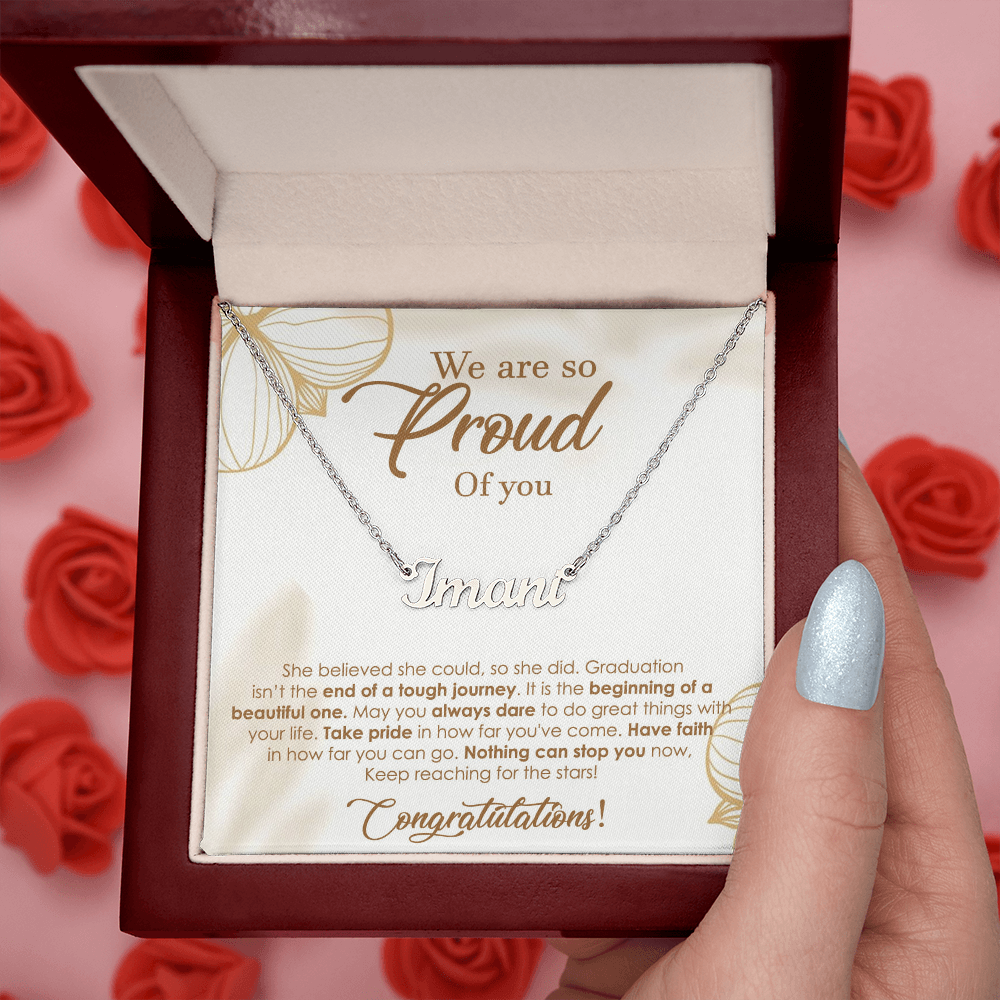
Life transitions—graduations, weddings, new jobs, retirements—are emotionally charged moments. During these times, gifts become symbolic anchors. They provide reassurance, encouragement, and comfort.
An emotional gift during a challenging time can:
-
Offer hope and motivation
-
Provide a sense of stability
-
Show unwavering support
Because these moments carry heightened emotions, the psychological impact of thoughtful gifts becomes even stronger.
The Difference Between Material and Emotional Value
Material gifts focus on utility or luxury, while emotional gifts focus on meaning. Although practical gifts are appreciated, emotionally thoughtful gifts often create deeper memories.
For example:
-
A luxury watch may represent status.
-
A watch engraved with an encouraging message represents belief and support.
The emotional layer transforms an object into a symbol of connection. That symbolic meaning is what people remember long after the gift is given.
How to Choose an Emotionally Impactful Gift
To make your gift emotionally meaningful, consider these psychological principles:
-
Listen actively – Pay attention to what the person talks about, values, or dreams of.
-
Reflect shared experiences – Gifts tied to memories strengthen emotional bonds.
-
Add a personal message – Words enhance emotional depth.
-
Focus on intention, not price – Meaning outweighs monetary value.
-
Consider timing – Emotional moments amplify impact.
When thoughtfulness leads the process, emotional connection naturally follows.
Leave a comment